Author name: shoplinapro@gmail.com

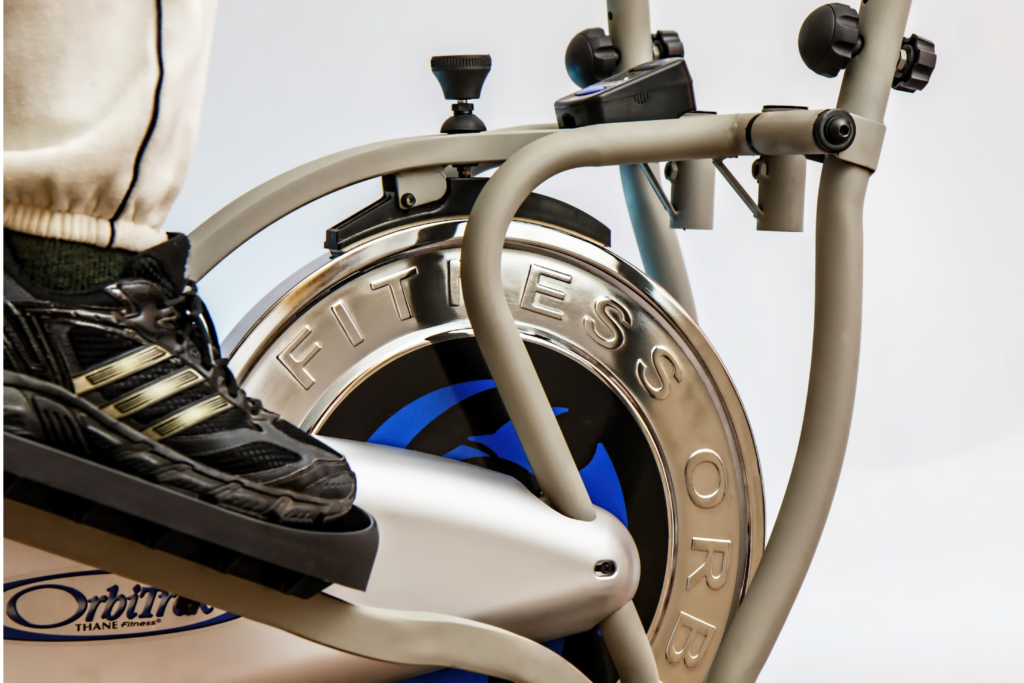
Home gym essentials including dumbbells resistance bands workout mat and fitness accessories
Uncategorized

Home Gym Essentials: What Equipment Do You Really Need?

You don’t need an expensive home gym to start exercising. For many beginners, a few simple pieces of equipment can provide enough flexibility for basic strength, mobility and conditioning workouts. The key is to choose equipment that matches your workout goals, available space and experience level. πŸ‹οΈ 1. Start With a Comfortable Workout Mat A workout mat can make floor exercises more comfortable and provide a defined space for your workout. What to look for: πŸ›οΈ Recommended Product to Consider Workout Mat Best for: Home workouts, stretching and floor exercises πŸ’ͺ 2. Add Resistance Bands Resistance bands are compact and can be useful for a variety of exercises. They are also easy to store, making them practical when you don’t have much space. Before buying: Check: πŸ›οΈ Recommended Product to Consider Resistance Band Set πŸ‹οΈ 3. Consider a Pair of Dumbbells Dumbbells can be useful for strength exercises involving the arms, shoulders, legs and other muscle groups. Beginners should choose a manageable weight rather than buying the heaviest option. Check: πŸ›οΈ Recommended Product to Consider Adjustable or Fixed Dumbbells 🧘 4. Add Simple Fitness Accessories Depending on your workout style, you may also consider: You don’t need everything at once. Buy equipment based on the exercises you actually plan to do. 🏠 How to Build a Home Gym on a Budget Start with: Workout mat β†’ Resistance bands β†’ Dumbbells Then add equipment as your routine develops. This can help prevent spending money on equipment that ends up unused. Final Thoughts A useful home gym isn’t about having the most equipment. It’s about having the right equipment for the workouts you actually enjoy and can perform safely.

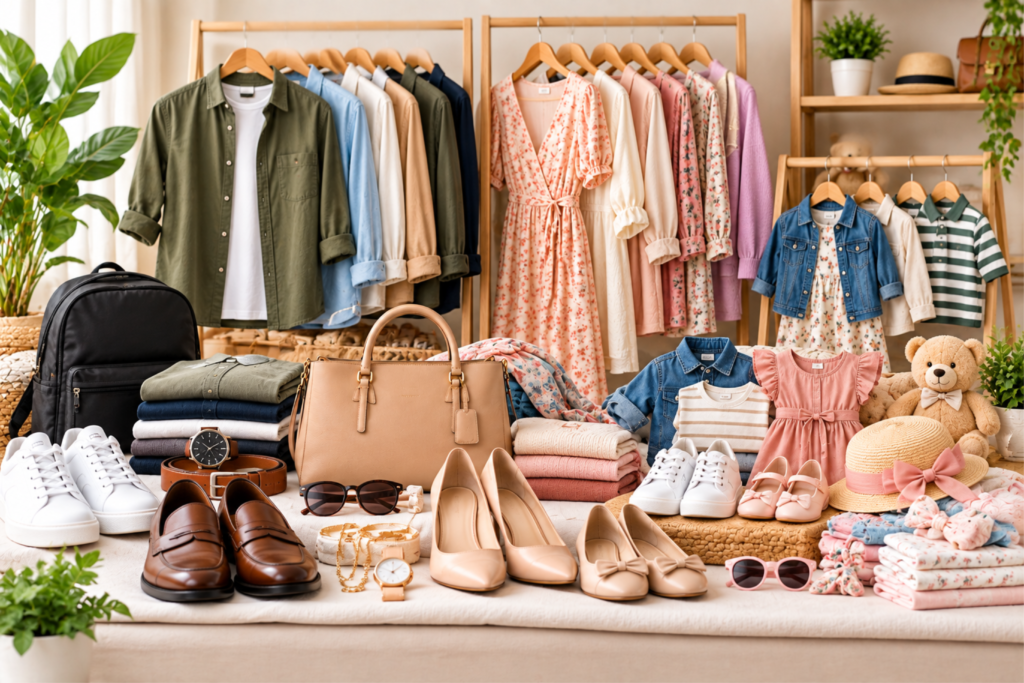
Fashion essentials for men women and children including clothing shoes bags and accessories
Uncategorized

Fashion Essentials for Men & Women

Building a useful wardrobe doesn’t mean buying a large number of clothes. The right combination of everyday clothing, footwear, bags and accessories can make it easier to create comfortable outfits for work, weekends, travel and special occasions. Whether you’re shopping for men’s or women’s fashion, focus on versatile pieces that work with items you already own. In this guide, we’ll look at practical fashion essentials for men and women and what to consider before buying them. 1. Everyday Tops Every wardrobe needs comfortable tops that can be worn regularly and styled in different ways. For Men Useful options include: Neutral shades such as white, black, navy, grey and beige can be easy to combine with different trousers and jeans. For Women Useful options include: Choose styles that suit your everyday activities and can be combined with different bottoms. What to Check Before Buying 2. Jeans & Trousers A good pair of jeans or trousers can become one of the most frequently used items in a wardrobe. Men’s Options Consider: Women’s Options Consider: The most important factor is choosing a fit that feels comfortable and works with your existing wardrobe. 3. A Versatile Outfit for Special Occasions Everyone benefits from having at least one outfit that works for occasions such as dinners, celebrations, meetings or events. Men Consider having: Women Consider: Choose something that can be styled differently instead of purchasing an outfit that can only be worn once. 4. Jackets & Layering Pieces Layering can make a simple outfit more practical and stylish. Men Popular options include: Women Options include: When choosing a layering piece, consider the climate where you live and how often you’ll actually wear it. 5. Everyday Footwear Footwear should combine comfort, practicality and the needs of your lifestyle. Men Useful footwear categories include: Women Useful categories include: Before buying, check the size, material, sole construction and intended use. 6. Bags & Everyday Accessories Accessories can make everyday outfits more practical while adding personal style. Men Consider: Women Consider: The best accessories are the ones you will actually use regularly. 7. Choose Clothes According to Your Lifestyle Don’t buy something simply because it is trending. Think about how you spend most of your time. For example: Office lifestyle:Shirts, trousers, blazers, formal footwear and professional accessories. Casual lifestyle:T-shirts, jeans, sneakers, casual shirts and comfortable accessories. Travel:Comfortable clothing, lightweight jackets, versatile footwear and practical bags. Active lifestyle:Sportswear, comfortable shoes and functional accessories. 8. Build a Mix-and-Match Wardrobe One of the easiest ways to shop smarter is to select clothing that works together. For example: 3 tops + 2 bottoms + 2 pairs of footwear can already create several different combinations. Choose colors that coordinate with each other rather than buying every item in a completely different style. Easy Neutral Colors You can then add a few brighter colors or patterns for variety. 9. Check Size Carefully When Shopping Online Online fashion shopping makes it especially important to check sizing information. Before ordering: Remember that sizing can vary considerably between brands. 10. Check the Fabric and Care Instructions The appearance of clothing isn’t the only thing to consider. Look at: A slightly more practical fabric can sometimes be a better everyday choice than a material that requires complicated care. 11. Don’t Buy Only Because Something Is Trending Fashion trends can change quickly. Before buying a trend-focused item, ask: “Will I still wear this several months from now?” If the answer is yes, it may be a useful addition. If you think you’ll only wear it once or twice, consider whether it is worth the cost and wardrobe space. Recommended Products to Consider When adding affiliate products to this article, you can use this structure: Men’s Everyday T-Shirt Best suited for: Everyday casual wear Why consider it:A versatile basic T-shirt can be paired with jeans, trousers, shorts or layered under a jacket. Things to check: πŸ‘‰ Check Price on Amazon Women’s Everyday Top Best suited for: Casual and everyday outfits Why consider it:A simple, versatile top can work with jeans, trousers or skirts and can be styled for different occasions. Things to check: πŸ‘‰ Check Price on Amazon Men’s Casual Sneakers Best suited for: Everyday casual use Things to check: πŸ‘‰ Check Price on Amazon Women’s Everyday Handbag Best suited for: Everyday use Things to check: πŸ‘‰ Check Price on Amazon Simple Fashion Shopping Checklist Before purchasing clothing or accessories, ask: β˜‘ Do I really need it?β˜‘ Does it fit my lifestyle?β˜‘ Is the size correct?β˜‘ Is the material suitable?β˜‘ Can I combine it with clothes I already own?β˜‘ Is it easy to maintain?β˜‘ Have I compared similar options?β˜‘ Have I checked the return policy? Final Thoughts Creating a versatile wardrobe doesn’t require buying everything that catches your attention. Whether you’re shopping for men’s fashion or women’s fashion, focus on comfortable, practical and easy-to-combine pieces. Start with everyday essentials such as tops, jeans or trousers, footwear, layering pieces and useful accessories. Once those basics are covered, you can gradually add items that reflect your personal style. Shop smart, choose what fits your lifestyle, and build a wardrobe you’ll actually enjoy wearing. Building a wardrobe doesn’t mean buying every new fashion trend. The better approach is to choose versatile pieces that you can wear in different situations, combine with other clothes and use regularly. Whether you’re shopping for everyday outfits, workwear, casual weekends or occasional events, a few well-chosen basics can make getting dressed much easier. In this guide, we’ll look at the fashion essentials worth considering and what to check before buying them. πŸ‘• 1. Everyday Tops: Start With Easy-to-Wear Basics A few comfortable tops can become the foundation of many outfits. Look for colours and designs that work with the trousers, jeans and skirts you already own. What to look for Shopping tip: Instead of buying several similar tops, choose a few different styles that give you more outfit combinations. πŸ›οΈ Recommended Product to Consider Everyday Women’s Top Best for: Casual and everyday outfits About this item πŸ‘– 2. […]

Simple Skincare Routine for Beginners: What Do You Really Need?
Uncategorized

Simple Skincare Routine for Beginners: What Do You Really Need?

Starting a skincare routine can feel confusing. There are hundreds of cleansers, serums, moisturizers and sunscreens, and every product seems to promise something different. The good news? You don’t need a complicated 10-step routine to get started. A simple routine can begin with four basic steps: 1. Cleanser β†’ 2. Serum β†’ 3. Moisturizer β†’ 4. Sunscreen The right products depend on your skin type and individual needs. Dermatologists also recommend keeping skincare simple and introducing products carefully rather than using too many products at once. American Academy of Dermatology Let’s look at each step. 🧴 Step 1: Cleanser The first step is to gently cleanse your face. A cleanser helps remove dirt, excess oil, sweat and other buildup from your skin. Choose a cleanser according to your skin type rather than simply choosing the most expensive product. CeraVe Foaming Cleanser Dermatologists recommend gentle cleansing and advise against aggressively scrubbing your face, as this can irritate the skin. American Academy of Dermatology What should you look for? For oily or combination skin: For dry or sensitive skin: πŸ›οΈ Product option Bioderma SΓ©bium Gel Moussant Purifying Cleansing Foaming Gel Best suited for: Oily and combination skinType: Foaming facial cleanserWhy consider it: A cleanser option to consider if you have oily or combination skin and prefer a foaming facial cleanser. Bioderma SΓ©bium Gel Moussant Purifying Cleansing Foaming Gel Best suited for: Oily and combination skin Tip: You don’t need multiple cleansers. Start with one that suits your skin type and see how your skin responds. πŸ’§ Step 2: Serum β€” Optional, Not Essential This is where many beginners become confused. You don’t necessarily need a serum when starting skincare. A serum is usually added when you have a particular skincare goal, such as improving the appearance of uneven skin tone or adding hydration. If you’re completely new to skincare, start with the basics before adding several active ingredients. Dermatologists emphasize that using too many products can irritate the skin, and a simple routine used consistently can be a better starting point. American Academy of Dermatology How to choose a serum Choose one based on your main concern. For example: Skin concern Ingredient you may see Hydration Hyaluronic acid Uneven skin tone Vitamin C Some acne concerns Salicylic acid Signs of aging Retinoids Don’t start several active products at the same time. Introduce new products gradually and stop using a product if it causes significant irritation. πŸ›οΈ Best Product Serum for your main skincare concern Face Serum, Lightweight Daily Skincare Formula, Hydrating Facial SerumΒ  Best for: Targeted skincare Important: Before recommending a specific serum, check the current ingredients, concentration, directions and skin-type claims on the manufacturer’s/product page. This lightweight face serum combines glycolic acid and niacinamide in an easy-to-use pump bottle. It can be considered by shoppers looking to add a targeted serum to their regular skincare routine. Key points: Good to know: Glycolic acid is an exfoliating ingredient and may not suit every skin type. If you’re new to this ingredient or have sensitive skin, introduce it carefully and follow the manufacturer’s directions. 🧴 Step 3: Moisturizer Many people with oily skin think they should avoid moisturizer. That’s not necessarily true. Moisturizer helps support skin hydration, and dermatologists recommend moisturizing even for people with oily skin. For acne-prone skin, look for products labeled oil-free, non-comedogenic, or won’t clog pores. American Academy of Dermatology What should you look for? Oily skin:Lightweight lotion or gel, preferably oil-free/non-comedogenic. Dry skin:A richer cream may feel more comfortable. Sensitive skin:Consider a simple, fragrance-free moisturizer. πŸ›οΈ Best Product Moisturizer for your skin type Best for: Daily hydration Before buying: Check the current ingredient list and product claims, especially if your skin is sensitive. β˜€οΈ Step 4: Sunscreen If you’re building a morning skincare routine, sunscreen is an important step. Look for a sunscreen that provides broad-spectrum protection. The American Academy of Dermatology recommends broad-spectrum, water-resistant sunscreen with SPF 30 or higher for sun protection. American Academy of Dermatology Sunscreen should generally be the last skincare step before makeup. The AAD’s recommended order is cleansing, treatment if needed, then moisturizer and/or sunscreen. American Academy of Dermatology What should you look for? πŸ›οΈ Product option Daily facial sunscreen Best for: Morning skincare and daytime sun protection DERMDOC SPF 50 Ultra Violet Brightening Tinted Sunscreen Don’t choose sunscreen based only on the highest SPF number. Read the label and consider the protection, formulation and whether you will actually use it consistently. 🌞 Your Simple Morning Routine Keep it simple: 1️⃣ Cleanser Gently wash your face. ⬇️ 2️⃣ Serum Optional β€” use one that matches your main skincare concern. ⬇️ 3️⃣ Moisturizer Apply a moisturizer suited to your skin type. ⬇️ 4️⃣ Sunscreen Finish with broad-spectrum sunscreen. That’s it. You don’t need to buy ten different products to start. πŸŒ™ Your Simple Evening Routine Your evening routine can be even simpler: 1️⃣ Cleanser Remove makeup, dirt, sweat and excess oil. ⬇️ 2️⃣ Serum Optional, depending on your skincare goal. ⬇️ 3️⃣ Moisturizer Apply moisturizer to help maintain hydration. The AAD recommends gentle cleansing and moisturizing as part of basic skincare, while treatments can be added according to individual needs. American Academy of Dermatology πŸ€” What If I Have Oily Skin? If your skin becomes shiny quickly, you may have oily skin. Don’t try to remove every bit of oil by aggressively washing or scrubbing your face. Dermatologists recommend gentle cleansing and products labeled oil-free or non-comedogenic when appropriate. American Academy of Dermatology Simple routine: Cleanser β†’ Lightweight moisturizer β†’ Sunscreen You can add a serum later if you have a specific skincare concern. πŸ€” What If I Have Dry Skin? Dry skin may feel tight, rough or uncomfortable. Choose gentle products and avoid unnecessarily harsh cleansing. Moisturizing is particularly important for dry skin. American Academy of Dermatology Simple routine: Gentle cleanser β†’ Moisturizer β†’ Sunscreen You can add a hydrating serum if you feel you need another step. πŸ€” What If I Have Sensitive Skin? If your skin is easily irritated, […]

Scroll to Top