
Dry, frizzy hair can feel rough, look dull and become difficult to manage, especially when exposed to heat styling, frequent washing, friction or unsuitable hair-care products. The good news is that a simple, consistent routine can help improve softness, manageability and the appearance of your hair.
You don’t need dozens of products to care for dry hair. Start with a gentle shampoo, a suitable conditioner and a few habits that help reduce unnecessary damage. Depending on your hair type and needs, you may also consider a hair mask or a leave-in product.
In this guide, ShopLinaPro explains how to build a practical hair-care routine, choose suitable products and make your daily hair-care habits easier to maintain.
What Causes Dry and Frizzy Hair?
Hair may appear dry or frizzy for several reasons. Understanding your hair’s needs can help you choose products more carefully.
Common contributing factors include:
- Frequent heat styling: High temperatures from straighteners, curling irons and blow-dryers can damage the hair shaft.
- Chemical treatments: Colouring, bleaching and chemical straightening may leave hair more fragile or prone to dryness.
- Friction and rough handling: Vigorous towel-drying, rough brushing and tight hairstyles can contribute to breakage.
- Environmental conditions: Sun exposure, humidity, wind and dry air can affect how hair feels and behaves.
- Unsuitable products: A shampoo or styling product that doesn’t suit your hair may leave it feeling dry, heavy or difficult to manage.
Frizz is also influenced by hair texture and humidity. The goal of a good routine is not to eliminate every strand of frizz, but to help your hair feel comfortable and look manageable.
Step 1: Choose a Shampoo That Suits Your Hair
Shampoo helps remove oil, sweat, styling residue and dirt from the scalp and hair. The right choice depends on your scalp condition, hair texture and styling routine.
Tips for choosing shampoo
- If your scalp is oily, you may need to wash more frequently.
- If your hair lengths feel dry, avoid unnecessary repeated washing and choose a shampoo that leaves your hair comfortable.
- If your hair is curly or textured, consider a formula designed for your hair type.
- If you have a sensitive scalp, check the ingredient list and avoid ingredients you already know irritate you.
Apply shampoo mainly to the scalp and massage gently with your fingertips. Let the lather rinse through the lengths rather than rubbing the hair roughly.
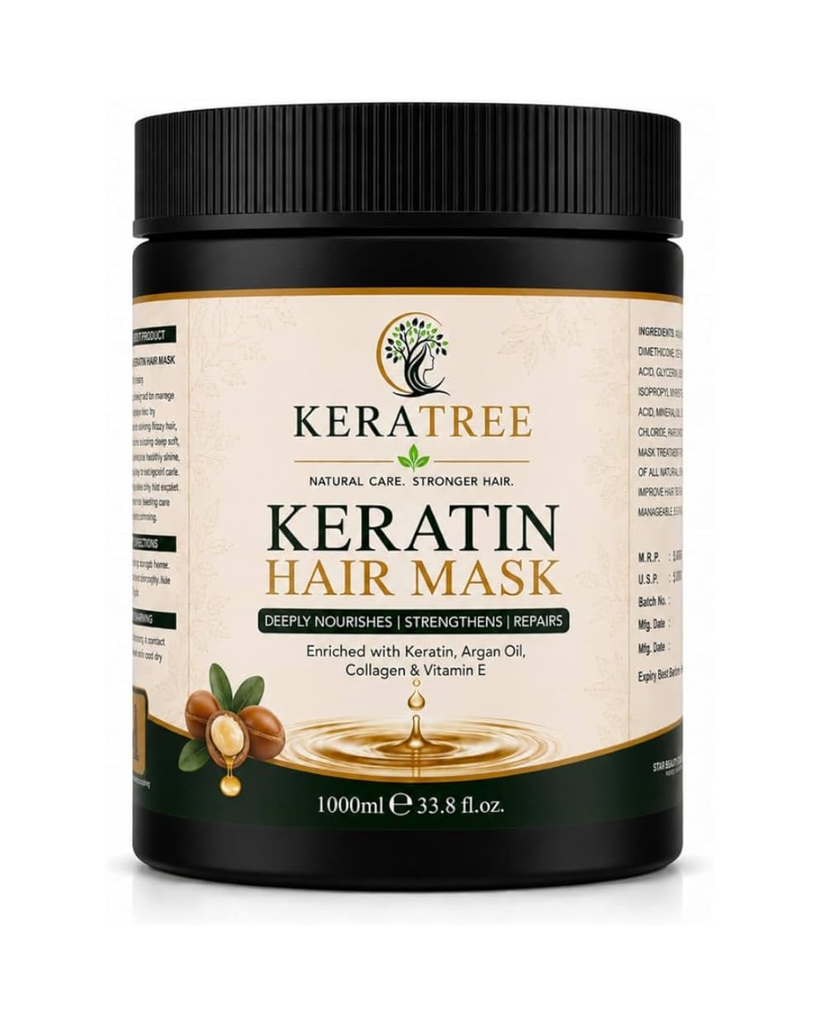
Keratin Hair Mask Deep Nourishing Hair Treatment Mask for Dry, Damaged, Frizzy & Chemically Treated Hair | Smooth, Strong, Soft & Shiny Hair
ShopLinaPro tip: Don’t choose a shampoo based on marketing claims alone. Consider how your scalp feels after washing and whether your hair is easy to manage afterwards.
Step 2: Use Conditioner After Shampooing
Conditioner is an important step for hair that feels dry, rough or tangled. It helps improve slip, making hair easier to comb and manage.
How to use conditioner
- After shampooing, gently squeeze excess water from your hair.
- Apply conditioner mainly to the mid-lengths and ends, following the product directions.
- Spread it evenly without pulling or rubbing the hair aggressively.
- Leave it on for the recommended time.
- Rinse thoroughly unless the product is specifically designed to be left in.
If your hair is fine, start with a small amount. Thick, curly or very dry hair may need a different formula or amount.
Step 3: Add a Hair Mask When Your Hair Needs Extra Conditioning
A hair mask is a more intensive conditioning product that can be useful when your hair feels especially dry, rough or difficult to detangle. It is usually used after shampooing, but the correct order and frequency depend on the product instructions.
What should you look for in a hair mask?
Consider products that contain conditioning ingredients such as:
- Plant butters and oils to help soften hair.
- Conditioning agents that improve slip and manageability.
- Ingredients suited to your hair’s texture and styling needs.
- A texture that works with your hair without leaving it excessively heavy.
A hair mask can improve the feel and appearance of hair, but it cannot guarantee permanent repair of damaged strands.
Product to explore: Ashba Botanics Strengthening Hair Mask
If you’re researching a conditioning treatment for dry, frizzy or curly hair, you can read our dedicated review of the Ashba Botanics Strengthening Hair Mask.
The product information highlights ingredients such as Murumuru Butter, Pequi Oil, Argan Oil, hydrolysed Baobab Seed Extract and hydrolysed Rice Protein. The formula is marketed for conditioning, shine and curl manageability.
Read our Ashba Botanics Strengthening Hair Mask review to explore its ingredients, directions, potential benefits and things to consider before buying.
Always follow the instructions on your product’s packaging, as recommended application times may vary by product version.
Step 4: Consider a Leave-In Conditioner or Hair Serum
If your hair becomes tangled or frizzy after washing, a leave-in conditioner or hair serum may be worth considering.
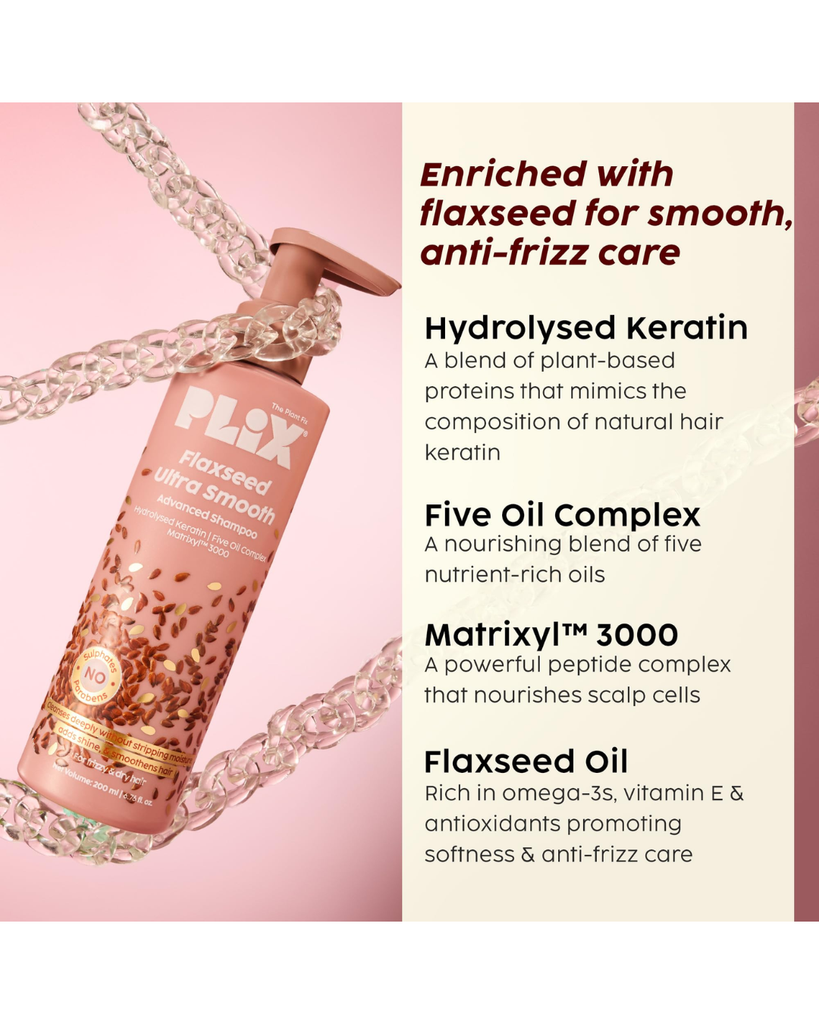
These products serve different purposes:
- Leave-in conditioner: Often helps with softness, detangling and everyday manageability.
- Hair serum: May help smooth the appearance of hair, add shine or reduce the look of flyaways, depending on its formula.
- Hair oil: Can help condition the hair’s surface and improve the feel of dry lengths, depending on the ingredients and amount used.
You don’t need all three. Start with one product that addresses your main concern, then see how your hair responds.
Apply products according to their labels. If your hair is fine, use a small amount at first to avoid a greasy or weighed-down appearance.
Step 5: Dry Your Hair Gently
Your hair-care routine doesn’t end when you rinse out your products. How you dry and handle your hair can also make a difference.
Try these habits:
- Gently squeeze water out instead of rubbing hair vigorously with a towel.
- Use a soft towel or suitable hair wrap.
- Detangle carefully, starting near the ends and gradually working upward.
- Use a wide-tooth comb if it works well for your hair texture.
- When blow-drying, use a suitable heat setting and avoid holding hot air in one area for too long.
- Consider a heat-protection product before using hot styling tools.
Wet hair can be more vulnerable to stretching and breakage, so handle it gently.
Step 6: Reduce Heat and Styling Damage
Frequent high-heat styling can contribute to dryness and breakage. If your hair is already fragile, consider reducing the frequency of straightening, curling or high-temperature blow-drying.
For healthier styling habits:
- Use hot tools less frequently.
- Choose a lower effective temperature.
- Apply heat protectant according to its directions.
- Avoid repeatedly passing a hot tool over the same section.
- Give your hair breaks from demanding styling routines.
If you regularly colour, bleach or chemically straighten your hair, consider discussing suitable care options with a qualified hair professional.
Step 7: Protect Your Hair Between Washes
Small daily habits can help keep your hair easier to manage.
- Avoid hairstyles that pull tightly on the hair.
- Use gentle accessories that do not snag or tug.
- Protect your hair from unnecessary friction while sleeping.
- Detangle gradually rather than forcing knots apart.
- Consider a hat or other suitable protection during prolonged sun exposure.
- Trim split ends when needed; conditioning products cannot permanently join split ends back together.
Consistency matters more than using a large number of products.
A Simple Weekly Hair-Care Routine
Your ideal routine depends on your scalp, hair texture, activity level and product preferences. Use this as a starting point and adjust it to your needs.
On wash days
- Shampoo your scalp as needed.
- Apply conditioner to the lengths and ends.
- Use a leave-in conditioner or serum if needed.
- Dry and detangle gently.
Once a week, if needed
Consider replacing your usual conditioning step or adding a hair mask according to its label. Avoid applying several rich products at once until you understand what works for your hair.
Every day
Handle your hair gently, limit unnecessary heat styling and use only the products that help address your actual concerns.
You do not need to follow a rigid weekly schedule. If your scalp becomes oily, itchy or uncomfortable, adjust your routine accordingly.
Common Hair-Care Mistakes to Avoid
Using too many products at once
Adding shampoo, conditioner, mask, serum, oil and styling cream all at once can make it difficult to know which products help. Introduce products gradually.
Applying too much product
More product does not necessarily mean better results. Start with the recommended amount and adjust based on your hair’s response.
Expecting instant or permanent repair
Conditioning products can improve softness, smoothness and manageability, but they cannot guarantee permanent repair of split ends or severely damaged hair.
Ignoring scalp concerns
Persistent itching, redness, unusual flaking or significant hair loss may need professional advice rather than a new cosmetic product.
Choosing products only because they are trending
A popular product may not suit your hair. Compare ingredients, instructions, price, size and suitability before deciding.
Frequently Asked Questions
How often should I wash dry and frizzy hair?
There is no single schedule that suits everyone. Wash according to your scalp’s oiliness, activity level and comfort. Avoid washing more frequently than your hair and scalp need.
Should I use a hair mask every day?
Not necessarily. Follow the product’s directions. Many intensive masks are intended for occasional use rather than daily application.
Is conditioner enough for dry hair?
Conditioner may be enough for some people. If your hair still feels rough or difficult to manage, you could consider a hair mask or leave-in product suited to your hair type.
Can hair masks permanently repair damaged hair?
No cosmetic hair mask can guarantee permanent repair of damaged hair. Some formulas can improve the feel, appearance and manageability of the hair.
Which hair products should I buy first?
Start with a shampoo suited to your scalp and a conditioner suited to your hair lengths. Add a hair mask or leave-in product only if you have a specific need.
Final Thoughts
A simple hair-care routine can be easier to maintain than a complicated collection of products. Start with a suitable shampoo and conditioner, handle your hair gently, reduce unnecessary heat styling and consider a hair mask when extra conditioning would be useful.
Before buying a new product, compare its ingredients, directions, price and suitability for your hair.
For more product information, read our Ashba Botanics Strengthening Hair Mask review.
Explore more beauty tips and practical buying guides at ShopLinaPro.com.
Affiliate disclosure: This article may contain affiliate links. If you purchase through a qualifying link, ShopLinaPro may earn a commission at no additional cost to you. As an Amazon Associate I earn from qualifying purchases.